

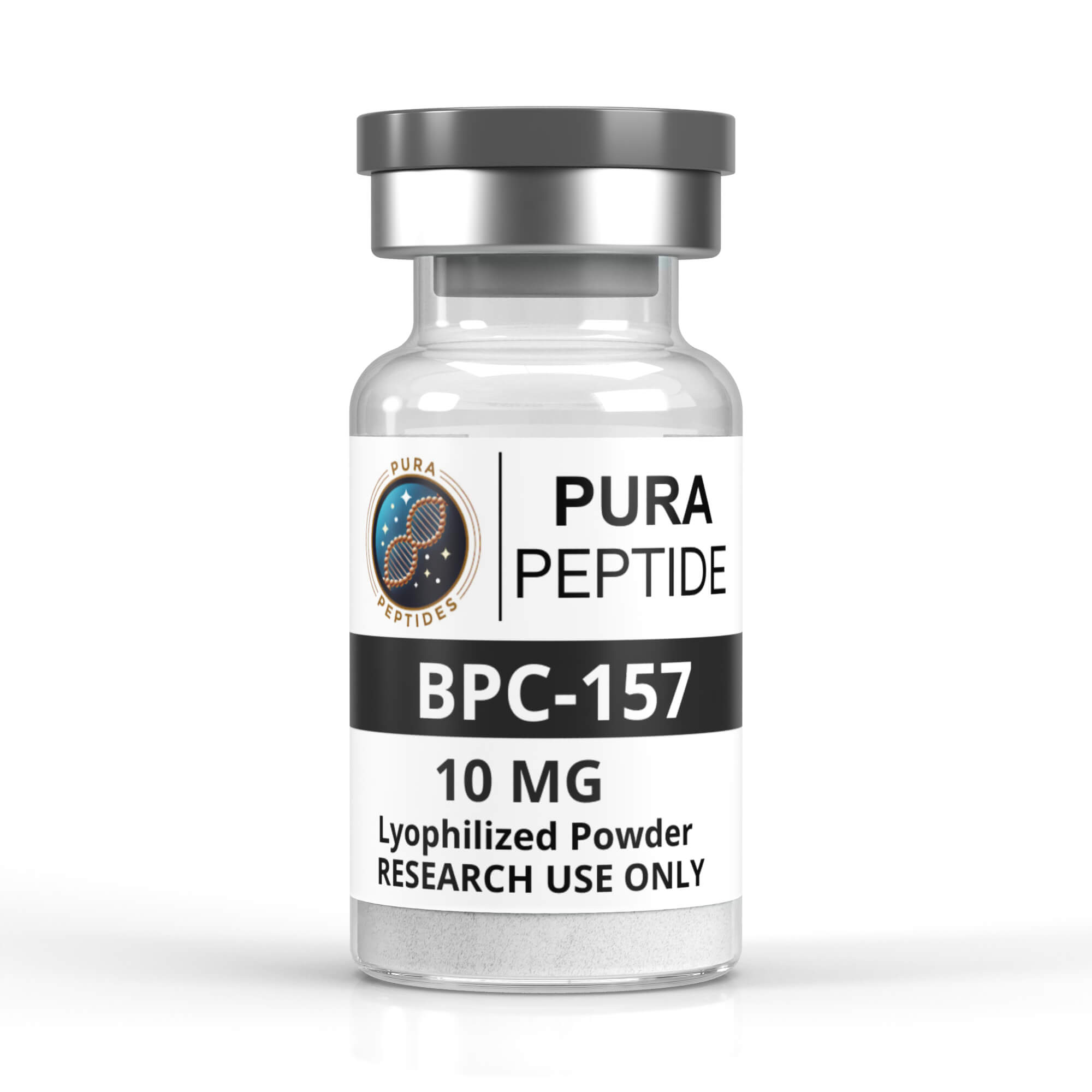
Research laboratories should be able to explain why a particular supplier was considered suitable before a material enters the purchasing process. A professional-looking website or attractive price can create a positive first impression, but neither is enough to establish whether a source fits a controlled research workflow. Product clarity, research-use policies, testing information, documentation, and purchasing transparency all provide more useful evidence.
For teams evaluating BPC-157 suppliers, verification means examining what can actually be confirmed rather than relying on reputation alone. A source that provides clearer research information and supporting records may be easier to approve and document for laboratory procurement.
Begin With the Exact Product Listing
Supplier verification should start with the specific product rather than the company homepage. Researchers need to confirm that the listing clearly identifies the material and provides enough context to compare it with the project requirements.
Laboratories looking to buy BPC-157 peptide should review the product identity, stated quantity, research-use positioning, and available supporting information before moving forward. Clear product-level information reduces the chance that a purchasing decision is based on assumptions.
Check the Intended Research Context
A legitimate research purchasing environment should clearly separate laboratory products from personal, diagnostic, therapeutic, or veterinary use. Pura Peptides states that its products are sold strictly for laboratory, scientific, and analytical research and are not intended for human or animal consumption. The company also states that its research materials are not drugs, supplements, foods, or cosmetics.
This kind of positioning gives laboratories a clearer basis for deciding whether the supplier fits professional research procurement.
Look for Evidence Behind Quality Statements
Terms such as high quality or premium are difficult to evaluate when they appear without supporting information. Researchers should give more weight to information that can be reviewed. Pura Peptides states that its products undergo third-party testing for identity, purity, and concentration and that Certificates of Analysis support its quality-control approach.
These claims should still be considered in the context of the exact product and available records, but they provide more useful evaluation criteria than promotional language alone.
Treat “Legit” as a Verification Question
Search phrases are not always written in formal scientific language. Researchers searching for pura peptides legit BPC-157 should treat “legit” as a prompt to verify the supplier rather than as a conclusion.
Useful checks include whether the product is clearly identified, whether research-use restrictions are visible, whether testing claims are explained, and whether relevant policies can be reviewed. A supplier should earn confidence through evidence, not simply through branding or online reputation.
Review Business Policies Before Ordering
Supplier verification also includes the practical conditions of the transaction. Laboratories should understand ordering terms before completing a purchase.
Pura Peptides currently states that sales are final and that orders generally cannot be canceled, modified, returned, or refunded once placed.
Knowing this in advance helps procurement staff make sure the correct product and quantity have been approved before checkout. Clear policies do not establish product quality, but they reduce uncertainty around the purchasing process.
Preserve the Original Product Record
Online information may change over time. Laboratories can save the product description, relevant documentation, and order details associated with the approved purchase.
This creates a stable reference if researchers need to review the sourcing decision later. It also makes repeat purchasing easier because the current listing can be compared with the information available during the original order.
Keep Batch Information Connected
If another purchase is made later, researchers should avoid treating the new material as automatically identical to the earlier order.
Batch or lot information, where available, can be preserved with each separate procurement record. This helps laboratories identify when material changed between project stages without assuming that a batch difference caused any particular experimental result.
Evaluate Communication Without Overvaluing It
Professional customer support can help resolve questions about documentation, availability, or order status. However, good communication should not be mistaken for scientific evidence.
A supplier should be evaluated primarily through product information, research-use positioning, analytical context, and traceability. Communication supports the process rather than replacing those factors.
Recheck the Supplier Before Future Purchases
A supplier that meets the project requirements once should not automatically be considered permanently approved. Product information, policies, documentation, and availability can change.
A brief review before a repeat order keeps the decision based on current evidence rather than habit.
Conclusion
Verifying a BPC-157 research supplier requires more than checking price or online reputation. Clear product information, research-only positioning, third-party testing claims, documentation, purchasing policies, traceability, and current supplier records all contribute to a more defensible procurement decision. The goal is not to label one company universally legitimate, but to determine whether the available evidence satisfies the needs of a specific research project. Using these standards, laboratories can evaluate purapeptides.com alongside other professional research suppliers through a consistent and evidence-based process.